FRP Lamination for Mild Steel and Stainless Steel Tanks
FRP lining for mild steel tanks, and for stainless steel tanks in corrosive environments. Primer, 2 to 5 plies of glass mat, surface veil and waxed topcoat with ISO or vinyl ester resin, checked visually and by ply count.
FRP Lamination for Mild Steel and Stainless Steel Tanks
FRP tank lining is a fiberglass reinforced plastic layer laid inside mild steel tanks, and stainless steel tanks in corrosive environments, so the stored chemical never touches the steel. Mui Fatt lines tanks with ISO or vinyl ester resin and checks every lining by visual inspection and ply count.
Ringkasan: Lapisan fiberglass (FRP) untuk tangki keluli lembut dan tangki keluli tahan karat dalam persekitaran menghakis. Lapisan terdiri daripada primer, 2 hingga 5 lapis tikar gentian kaca, surface veil dan topcoat berlilin, dengan resin ISO atau vinyl ester.
Specifications
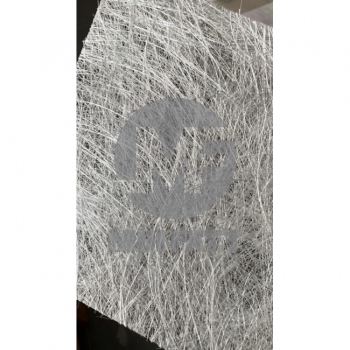
| Lining build-up | 1 coat of resin primer, 2 to 5 plies of E-glass chopped strand mat (CSM), 1 ply of surface veil, 1 coat of waxed resin topcoat |
|---|---|
| Resin options | Isophthalic polyester (ISO) or vinyl ester (VE); general purpose polyester (GP) for some chemicals |
| Substrate | Mild steel tanks; stainless steel tanks in corrosive environments |
| Chemical resistance | Immersion or spillage of acids, solvents, bleaches, mild alkali solutions, crude oil and fuel oil, including strong inorganic acids such as hydrochloric or sulfuric acid (resin chosen to suit) |
| Tests | Visual inspection for blisters, cracks, trapped air and irregularities; ply count during lamination (no thickness test) |
| Typical properties | Tensile strength 9,000 psi; tensile modulus 1,000,000 psi; Barcol hardness above 30; adhesion above 580 psi on grit-blasted steel |
How we line a steel tank
- Site visit: we check access into the tank for our workers before work starts.
- Surface preparation: rust is ground off and dust is vacuumed out.
- Priming: a resin primer is brushed or rolled on and left until tacky.
- Lamination: each ply of glass mat is laid into wet resin and rolled to remove trapped air, then a surface veil.
- Topcoat: a resin-rich waxed topcoat, left to cure about 12 hours.
- Inspection: visual inspection for blisters, cracks and trapped air, with the plies counted as they are laid.
We work at 10°C to 50°C, relative humidity below 90%, and not in rain. No welding or cutting may take place near or above the lining area.
Applications
- Mild steel chemical storage tanks
- Stainless steel tanks in corrosive environments
- Chemical road tankers
- Bottom plate lining of oil storage tanks
Other FRP lamination pages
- FRP Lamination (FRP Lining) Service →
- FRP Lamination for Agitator Shafts, Impellers and Equipment →
- FRP Lamination for Steel Structures →
- FRP Lamination for Concrete Wastewater Tanks →
Questions About Tank Lining
Why line a stainless steel tank?
Some chemicals still attack stainless steel. An FRP lining keeps the chemical off the steel.
Which resin is used for tanks?
Usually ISO or vinyl ester. Tell us the chemical, its strength and temperature and we will advise.
How is the lining checked?
By visual inspection for blisters, cracks and trapped air, and by counting the plies as they are laid. You are welcome to witness the work.
Berapa harga lapisan fiberglass untuk tangki keluli?
Hubungi kami untuk harga terkini. Harga bergantung pada saiz tangki, bilangan lapis dan jenis resin.
Contact Mui Fatt for a quotation: Get a Quote →